

Transforming Toxicity into Tranquility: My Journey to Creating Holistic Home Sanctuaries ✨
Creating a home is not just about choosing furniture or painting walls; it’s about building a space that supports our well-being. For many, home is a sanctuary. For me, it became a place of challenges that ignited a passion for healing. My first home, built by my parents, was a setting haunted by contaminated water—uranium, to be specific. The health effects were severe. My mother, my younger brother, and I suffered from chronic illnesses that often forced us to seek medical attention.
This experience and many others growing up have shaped my understanding of how our environments influence our health and led me on a journey to create holistic home settings that promote wellness.
A Pivotal Moment: Discovering Functional Medicine
In 2020, the world experienced a slowdown. During this unique period, I discovered the realm of functional medicine. I transformed my life and altered my dental practice to adopt a more integrative approach, which emphasizes treating the entire person instead of merely addressing symptoms.
Applying Functional Medicine to Home Design
The moment I grasped the core principles of functional medicine, everything clicked. I realized how our surroundings, including the air we breathe and the materials we use, directly impact our health. I began merging my love for science with interior design, and found a unique purpose: helping others create homes that serve as nurturing, healing spaces—and I call these wellness sanctuaries.
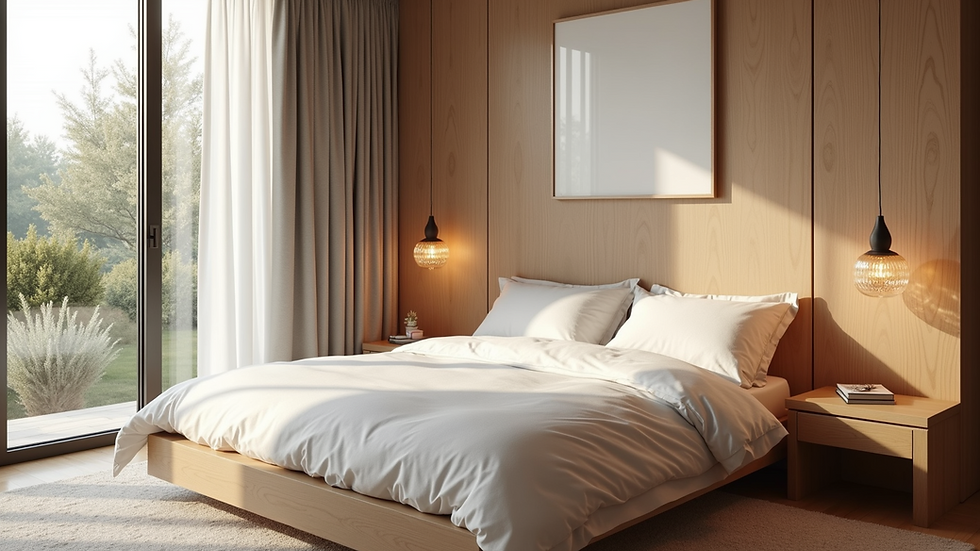
Building a Holistic Home: Key Elements to Keep in Mind
As I explored interior design and functional health, I identified several vital components to creating a holistic home:
1. Clean Air and Natural Light
Clean air is crucial for a healthy home. Research shows that indoor air can be up to five times more polluted than outdoor air. You can improve indoor air quality significantly by using air purifiers like air doctor or austin air and adding plants known for their air-purifying properties, such as spider plants and peace lilies. Additionally, maximizing natural light can boost mood and improve focus.
Consider incorporating large windows, light-colored walls, or skylights to bring more sunlight into your living spaces.
2. Non-Toxic Materials
When decorating, prioritize non-toxic materials. Many conventional furniture pieces and decor items contain harmful chemicals. For example, volatile organic compounds (VOCs) found in certain paint and furniture can contribute to health issues, including respiratory problems and headaches. Choosing natural materials—like solid wood, stone, and organic fabrics—will enhance both the beauty and safety of your home.
3. Intuitive Space Planning
The layout of your home plays a significant role in how you feel within it. Open spaces can foster connectivity, while cozy corners offer a place to unwind. Consider how your home’s flow can support your daily activities and promote a sense of calm.

Practical Steps to Create Your Own Wellness Sanctuary
How can you begin transforming your space for better well-being? Here are some actionable steps you can follow:
Assess Your Space: Take time to evaluate your home. Identify areas that feel cluttered or chaotic and think about how to streamline them for a calmer atmosphere.
Declutter: A clean space promotes health. Tackle one room at a time, keeping only items that serve a purpose or bring joy.
Incorporate Nature: Introduce natural elements such as wood, plants, and sunlight to create a stronger connection between your home and the outdoors. Consider adding essential oil diffusers for an inviting aroma that fosters relaxation.
Mindful Decoration: Select art and decor that evoke positive emotions. These items should inspire feelings of peace and happiness, reinforcing the sanctuary vibe of your home.
Regular Maintenance: To keep your wellness sanctuary thriving, prioritize clean air, wash fabrics regularly, and care for plants to ensure they remain vibrant.
Crafting Your Personal Narrative
Creating a holistic home is also about reflecting your personal journey. The experiences that shaped you, such as overcoming a toxic childhood environment, can powerfully influence your home design. Integrate elements that tell your story, like photographs or art, to make your space feel uniquely yours.

The Importance of Community in Wellness
On this journey, I learned the value of community support. Engaging with local wellness groups, group fitness classes, and attending workshops focused on home design and well-being can uplift your ability to maintain a holistic home.
Your Journey to Serenity Starts Now
Transforming toxicity into tranquility is personal yet universally relevant. By focusing on the wellness of our home and work environments, we foster our well-being and contribute to a healthier world for future generations.
Let your transformation begin today. Book a consultation with Dr. Leday to begin your holistic home journey.


Comments